Pokies vs Keno: Which Format Holds Up After the Welcome Offer?
Most Australians know the difference on paper, but the real test is what keeps you coming back once the first deposit bonus has burned through. In my time structuring commercial strategy across iGaming and FinTech, I’ve seen plenty of operators promise instant appeal and then forget the retention layer entirely. Pokies and keno both sit on the same floor, yet they reward different habits, different bankroll rhythms, and different expectations around ongoing value. If you’re weighing pokies vs keno for regular play, the welcome offer is only the entry ticket; the repeat-play mechanics, cashback cycles, and loyalty tiers are what actually shape the experience. For players comparing options across the market, a clear ozwin casino bonus structure often sets the tone for how promotions roll out after sign-up, but the underlying game design and reward cadence matter far more than the headline figure.
How each format actually plays
Pokies are built around repeated spins, visible volatility, and a fast feedback loop that suits players who like to track sessions in short blocks. You pick a line or cluster of lines, set a stake, and let the reels run; the entertainment comes from near-misses, bonus triggers, and the occasional feature that extends play without asking for another deposit. Keno, by contrast, is a draw-based format where you mark numbers, wait for the ball drop, and collect payouts based on how many selections hit. It moves slower, asks for less active decision-making per round, and tends to suit players who prefer a steadier pace with fixed ticket sizes rather than adjusting bet levels on the fly.
From a commercial standpoint, the two formats pull different retention levers. Pokies operators typically lean on tournament leaderboards, daily drop campaigns, and tiered cashback that rewards volume over time. Keno operators usually compensate with lower friction entry, simpler ticket pricing, and periodic draw promotions that keep regulars logging in without demanding the same session intensity. Neither approach is inherently superior; they simply answer different player habits. If you want fast, adjustable play with more moving parts, pokies usually fit. If you want a quieter rhythm where the outcome is decided by a published draw, keno does that job cleanly.
What happens after the welcome offer
The welcome bonus gets attention, but ongoing promos are where players actually decide whether a product earns repeat visits. In practice, the better formats pair a decent first incentive with a retention plan that doesn’t disappear once the wagering requirement is cleared. That means recurring drop schedules, cashback that applies to real play rather than only bonus funds, and loyalty or VIP progression that recognises consistent activity instead of one-off deposits.

For pokies, the repeat-play reasons usually centre on tournaments with weekly resets, free-spin calendars tied to specific titles, and cashback that softens downswings without resetting your entire session. A well-built pokies environment also gives you clear visibility on which games contribute fully to promotion terms, so you’re not guessing whether a particular title counts toward a leaderboard or a reload. That transparency matters because it turns promotions from a marketing headline into something you can plan around.
For keno, ongoing value tends to show up differently. You’ll often see ticket-based promos, draw-linked bonuses, and loyalty points that accumulate on matched numbers or regular ticket purchases rather than spin counts. The appeal is that keno can feel less demanding per round, so a sensible operator offsets that slower pace with frequent small rewards, predictable draw schedules, and a loyalty track that acknowledges steady participation. If the promotion calendar is thin, keno can feel flat quickly; if it’s consistent, it becomes a low-friction way to keep playing without constantly reworking your stake.
I’ve reviewed enough product roadmaps to know that the operators who keep players long-term are the ones who treat recurring promos as a system, not a one-off splash. That same discipline shows up in payments and support: clear currency handling, straightforward withdrawal paths, and support that actually answers questions instead of bouncing you around. When those pieces line up, the welcome offer becomes a starting point rather than the whole story.
Who each format suits best
Pokies suit players who like active control over stake size, volatility, and session length, and who don’t mind moving between titles to chase different bonus mechanics. If you enjoy adjusting your approach mid-session, watching features unfold, and playing in shorter concentrated blocks, the pokies format usually feels more natural. It also suits players who value tournament competition and cashback as a way to extend play across a downswing, provided the terms are readable and the contribution rules are clear.
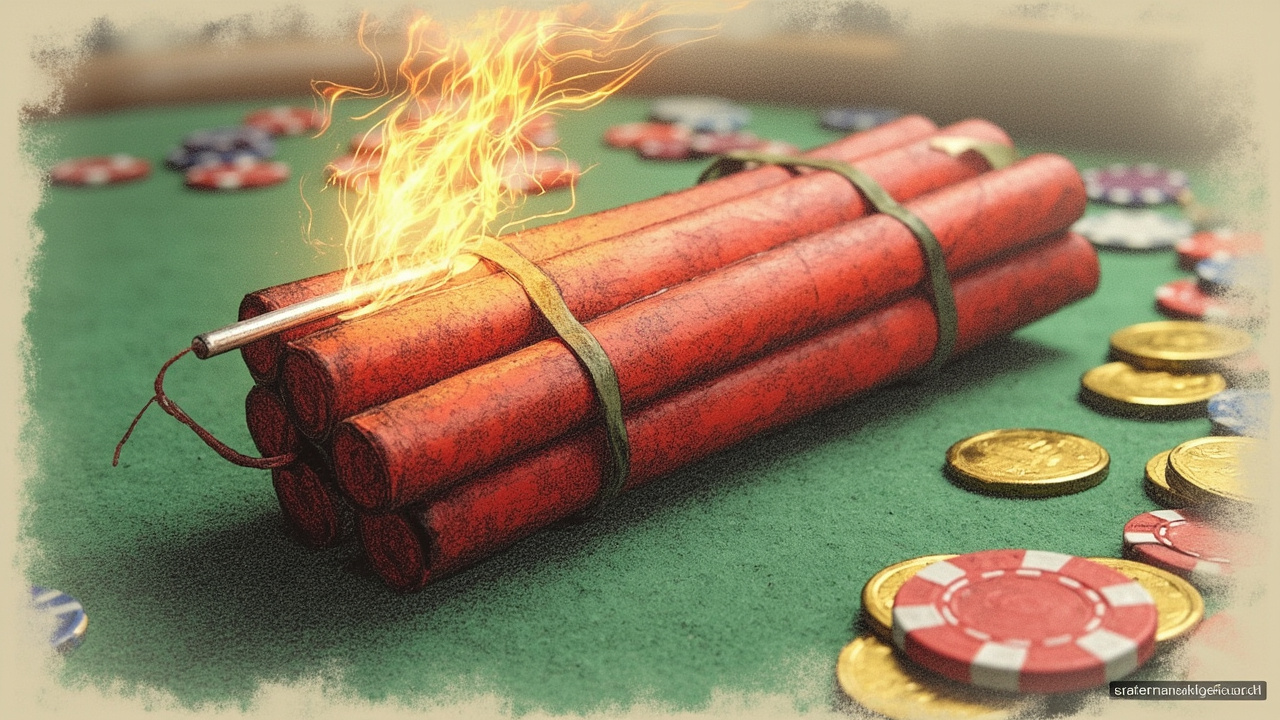
Keno suits players who prefer a slower, more predictable rhythm and don’t want to constantly tweak bet levels between rounds. It works well for people who like marking tickets, waiting for a published draw, and collecting payouts based on fixed selections rather than spinning for extended stretches. If your priority is lower decision fatigue and a format that fits into a more relaxed session, keno is a reasonable fit, especially when the operator backs it with regular draw promos and a loyalty path that recognises consistent ticket play.
A mate of mine, Mark, was over the back fence at a Western Sydney barbie last Sunday, nursing a flat white while the coals were still catching. He turned to me and said, “I reckon pokies keep me busy as anything when I want to stay in the moment, but keno’s defo better when I’m just there for a quiet arvo and don’t want to think too hard about every spin.” His mate Lena laughed and replied, “Same, though I’d defo check the promos first, because a slow game with nothing recurring feels like a waste of a ticket.” That exchange sums up the split pretty well: pace, control, and what happens after the first bonus.
Player-fit verdict
If you want faster, more adjustable play with more moving parts and a retention model built around tournaments, drops, and cashback, pokies are the stronger fit. If you prefer a steadier, draw-based rhythm with simpler ticket pricing and recurring rewards that don’t demand constant stake adjustments, keno makes more sense. The right choice depends less on which format looks flashier and more on which one matches how you actually like to play and how much recurring value you expect once the welcome offer is gone. In my experience, the operators worth returning to are the ones that keep promotions, loyalty, and support aligned with the format they’re selling, not the ones that rely on a single sign-up incentive and hope you stick around. ozwin casino bonus
- Volatility: the degree to which a game’s results swing between smaller frequent returns and larger less frequent payouts.
- Cashback: a recurring or periodic return of a portion of played or lost amounts, usually tied to real-money activity.
- Loyalty tier: a progression level that recognises repeat play and can unlock extra promos, points, or perks.
- Draw-based: a format where outcomes are decided by a published selection of numbers rather than by continuous spinning.
- Ticket: a keno entry where you mark numbers and stake an amount against the next draw.